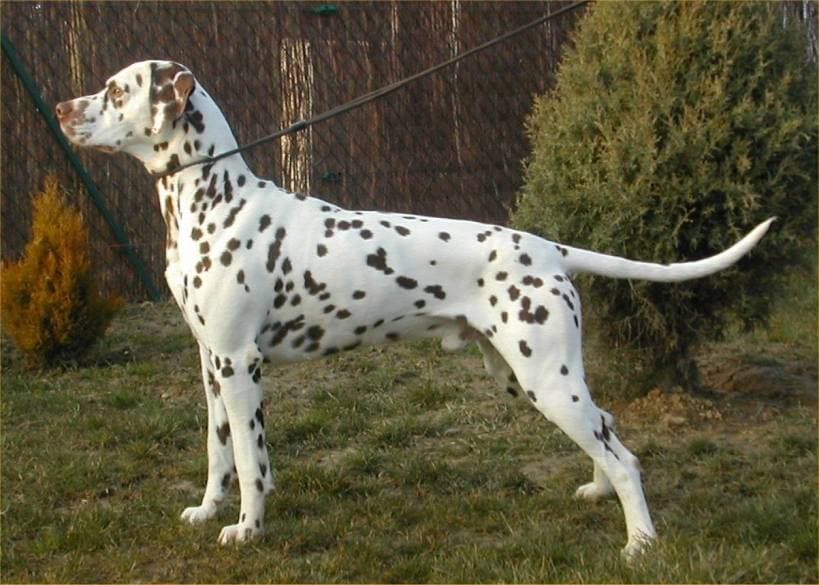
The Dalmatian is an athletic dog recognized by a white coat with black or liver-colored spots. The breed is associated with Dalmatia in modern Croatia, but parts of its earlier history remain uncertain. A spotted dog in old artwork is not enough to prove direct ancestry, and the story of a cross between a dog and a tiger is biologically impossible.
From coach dog to familiar companion
The American Kennel Club describes Dalmatians accompanying horse-drawn vehicles, including those used by firefighters. That historical association helps explain their enduring firehouse image. It does not establish that every dog instinctively rescues people from burning buildings or automatically behaves safely around horses.
Modern Dalmatians vary in temperament and experience. Introduce horses or other large animals carefully with knowledgeable supervision. A historic working role can inform expectations about stamina, but it is not a training certificate for a particular puppy.
Understanding the spots
The familiar small spots develop after birth, although some puppies are born with larger colored patches. Those patches are not the same as the later spot pattern. Color markings are distinctive, but they should not outweigh health and temperament when choosing a companion.
Breed standards describe preferred proportions and appearance. They do not imply that a typical Dalmatian should weigh more than 50 kilograms; confusing pounds and kilograms can produce a seriously misleading guide. Ask your veterinarian about a healthy individual weight and monitor body condition rather than chasing an exaggerated size.
Hearing deserves specific attention
Congenital deafness can affect one or both ears. The Dalmatian Club of America's hearing information explains the importance of assessing hearing in the breed. A puppy that responds to some sounds may still have hearing loss on one side, so observation alone does not replace appropriate testing.
Ask for a BAER hearing-test result linked to the individual puppy and discuss its meaning. Dogs with hearing impairment can learn with suitable visual cues and thoughtful management. Secure boundaries and avoiding startling a sleeping dog are particularly important. A hearing result is information for care, not a reason to treat an animal roughly.
Urinary health and diet
Many Dalmatians have an inherited tendency to excrete higher levels of uric acid, which can contribute to urate stones. Low-uric-acid lines also exist, so statements that every Dalmatian has exactly the same genetic risk are inaccurate. UC Davis provides information about testing for hyperuricosuria.
Ask about the dog's records and an appropriate feeding and monitoring plan. Do not prescribe an extreme low-protein diet yourself or assume a marketing label addresses the actual risk. Provide fresh water and regular opportunities to urinate, following any individualized veterinary instructions.
Straining, discomfort, blood in urine or repeated attempts to pass only small amounts needs prompt advice. Inability to urinate is an emergency. A dietary adjustment at home is not a substitute for treatment of a suspected obstruction.
Activity and training
Plan walks, sniffing and suitable play throughout the week. Build fitness gradually and avoid pushing a growing puppy into endurance running. A garden can supplement exercise but does not provide all the companionship and learning opportunities an active dog needs.
Reward calm greetings, checking in and coming when called. Start in easy settings and use secure equipment while skills develop. Dalmatians are not guaranteed to be free from aggression or conflict simply because a breed description calls them friendly. Supervise children and manage introductions to other animals carefully.
Coat care and choosing a dog
The short coat still sheds and benefits from regular brushing. Check paws and skin after activity, keep nails comfortable and establish a dental-care routine. A sudden change in activity, appetite or handling tolerance deserves veterinary attention rather than a label of stubbornness.
Request relevant parental health screening, the puppy's hearing record and a clear account of early care. Rescue organizations may offer adults with known habits and medical needs. Consider exercise time, training support and potential health costs before committing. The spots are memorable, but the best match is a dog whose daily needs you can meet consistently.