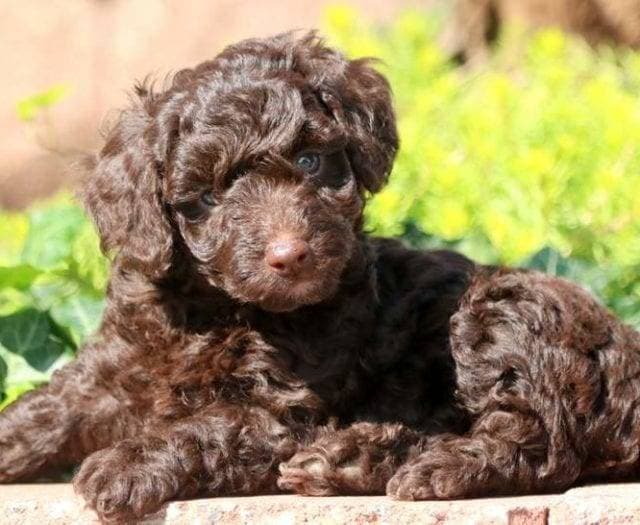
Poodles are often described as intelligent and versatile, but no puppy arrives knowing household rules. Learning depends on clear teaching, suitable rewards and opportunities to practice. An obedience ranking is not a complete measure of a dog's abilities, and claims that good manners are inherited memories of palace life have no useful scientific basis.
The AKC Poodle profile describes an active breed with a demanding coat. Whether the dog is large or small, choose a routine you can maintain through ordinary workdays as well as weekends. A lively puppy does not need to master every skill by four months, and development will not follow an identical schedule for every individual.
Teach useful habits first
Begin with responding to a name, coming when called in a safe space and settling on a mat. Reward small successes and keep sessions short enough for the puppy to stay engaged. Practice with different household members using the same cues. If progress stalls, make the task easier instead of repeating commands more forcefully.
Plan toilet opportunities around waking, meals and play, and reward use of the chosen area promptly. Prevent access to hazards with gates and supervision. Accidents and chewing are reasons to review the setup, not proof that the puppy needs a stricter demonstration of authority. Avoid shouting, hitting and leash corrections.
Make grooming a comfortable skill
A Poodle's coat requires regular maintenance, so introduce brushes, combs, paw handling and grooming sounds gradually. Pair a brief, comfortable step with a reward and stop before the puppy becomes distressed. Ask a professional to demonstrate home care and agree on a practical appointment schedule.
A simple pet trim can reduce maintenance, but it does not remove the need to check for tangles. Pay attention beneath a harness and around the ears and legs. Do not wait until the coat is painfully matted before arranging help. Include dental care, nail checks and comfortable carrier or vehicle travel in early practice.
Activity with sensible limits
Offer walks, sniffing and games suited to age and fitness. Intelligent dogs also need rest; continuous stimulation is not a requirement. Build new activities gradually and avoid repetitive jumps or difficult acrobatics simply because the puppy is eager to participate. Ask your veterinarian about restrictions relevant to growth or health.
Wildlife encounters should be prevented rather than celebrated as proof of bravery. Keep the dog close and under control in areas where large wild animals may be present. Do not encourage chasing or approach an animal to create an exciting story. A reliable recall, secure equipment and local wildlife guidance are more useful than expecting a dog to defend its owner.
Support the individual
Introduce people and new environments at a manageable pace, allowing distance when the dog is uncertain. Practice brief, comfortable separations and arrange care for longer absences. If fear, distress or handling problems persist, seek qualified help early. A well-supported Poodle becomes a companion through patient daily teaching, not through a reputation for exceptional intelligence alone.