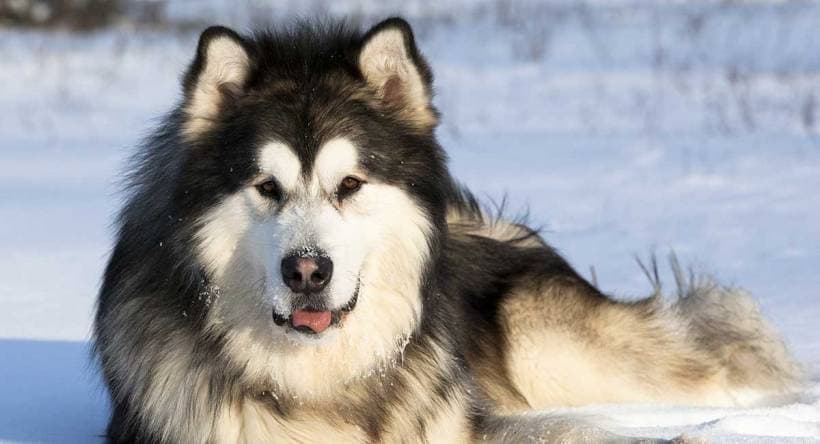
The Alaskan Malamute is a powerful northern working dog developed for hauling loads. The AKC breed profile describes a substantial dog built for strength and endurance. Its impressive coat and friendly appearance should not obscure the time, space and handling skills needed for daily care.
Activity and training
Provide suitable walks, sniffing and training alongside rest. A puppy should not pull heavy loads or be pushed through long runs while growing. If you want to try sledding or another pulling activity with a mature dog, seek qualified guidance, appropriate equipment and a veterinary fitness assessment.
Malamutes can be independent and interested in their surroundings. This is not a reason to establish a pack hierarchy through force. Teach attention, loose-leash walking, recall and settling with clear cues and rewards. Practice around manageable distractions and use secure boundaries where chasing or wandering would be dangerous.
Family life and other animals
No breed is automatically gentle with every child or compatible with every dog. Supervise interactions and provide a protected resting space. A large, playful dog can knock someone over without intending harm, so teach calm greetings and manage excitement.
Introduce other animals carefully, with barriers and supervision. Small pets may require permanent separation. Early social experiences help a dog learn, but they cannot guarantee safety in every future encounter. Ask breeders or rescues about the particular dog's behavior rather than relying on a broad reputation.
Coat and weather
The dense double coat sheds heavily, especially during seasonal changes. Brush through it regularly and check for mats, skin irritation and trapped debris. Introduce handling gently and maintain nail, ear and dental care as part of the routine.
A thick coat does not make a dog able to withstand every frost or safe to leave isolated outdoors. Provide dry shelter, comfortable rest and social contact. Heat also requires careful management: choose cooler times for activity, offer water and watch for difficulty coping.
Feeding and choosing responsibly
Feed measured portions of a complete diet suited to life stage and activity. Appetite is not a reliable guide to the correct amount, and adding homemade extras can unbalance meals if they replace too much complete food. Discuss growth and body condition with your veterinarian.
Request relevant parent health-screening results and the puppy's veterinary records. Plan transport, secure fencing and care during absences before committing. A Malamute can be a rewarding companion when its physical and social needs fit the household, but appearance alone is a poor basis for choosing one.