
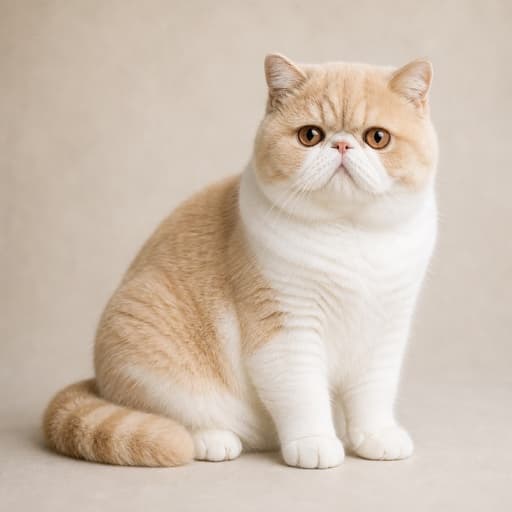
Who is this breed suited to?
The Exotic may appeal to someone seeking a generally quiet companion with Persian-type features and a shorter plush coat. The important selection criteria are comfortable breathing, clear eyes and sound movement, alongside a temperament that suits the household.
Daily time commitment
Offer gentle chasing and exploring opportunities even when the cat prefers lounging nearby. Let it pause freely and adapt activity to its breathing and condition. Coat maintenance takes less time than for many Persians, but the total care commitment is not negligible.
Coat and everyday care
Comb through the dense coat regularly; CFA suggests weekly combing outside heavier shedding periods. Short hair can still retain loose undercoat.
Challenges to plan for
A very flat face can compromise welfare through breathing and eye problems. Shortening the coat does not remove risks associated with the Persian-type head. Avoid choosing for the most exaggerated appearance or accepting noisy, difficult breathing as a charming feature.
How does it compare?
The Persian is the direct comparison: CFA describes the Exotic as structurally similar, with a different coat. Expect less long-hair management, but do not infer fewer facial-health concerns simply because the coat is easier to maintain.
Questions to ask a breeder
Ask for parental PKD screening information and the veterinarian's assessment of breathing, eyes and bite. Observe the kitten awake and moving, and discuss the adults' health and grooming history. A negative test for one condition is not an overall health guarantee.
Sources and further reading
- CFA: Exotic
- iCatCare Veterinary Society: health and welfare concerns in flat-faced cats
- TICA: Himalayan and Persian-group health considerations
Reviewed October 2026. Breed tendencies do not predict an individual cat. Age, health, upbringing and environment all affect care and behaviour.