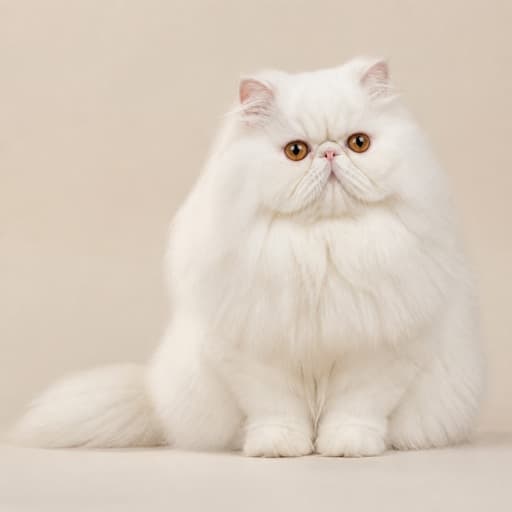
Cat breed Persian


Breed Persian
Country
United States
Origin
Crossbreed
Hair
Long

About This Breed

There are so many different versions on the subject of the origin of Persian cats in the world. If you believe one of these versions, the first is Persian cats have appeared in Persia (Iran). One of the sea travellers between the 1614 and 1626 saw a longhair cat in Persia. He described these cats in his stories about travels. In 1620 a male and a female cats of Persian breed were sent to Italy with the intention to breed them. No one knows what happened next with these cats.
There is also a version according to which Persian cats first appeared in Russia. This is due to the fact that Russian climate is well for cats to have such a long and fluffy hair. Rather, it is from Russia Persian cats were brought to the eastern countries. But this all is just speculations and there are no facts to prove these speculations yet.
There is also a version that says that the ancestor of the Persian cat was wild manul cat. They're very slow and beautiful cats which lived in the mountains of Asia. It is believed Persian cats have inherited their gorgeous hair from them. But this is only a guess and it doesn't have any evidence. Therefore the history of the emergence of the Persian cat breed is still a mystery for us.
Breeders have made a lot of efforts to breed Persian cats. Modern Persians are very affectionate, sweet and charming. They have an excellent and quiet nature. Besides, Persian cats are members of the breed that breeders could change much more than any other breed of cats. During this process, not only cats that met all standards were selected, but also the most gentle and kind cats. So now the Persian cat is the embodiment of all the best that can be in cat's nature.
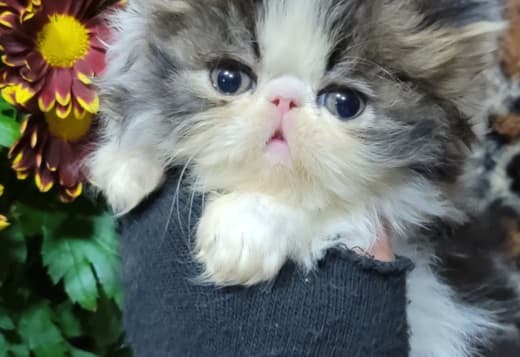
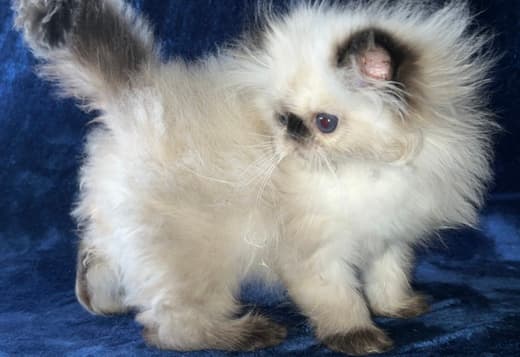
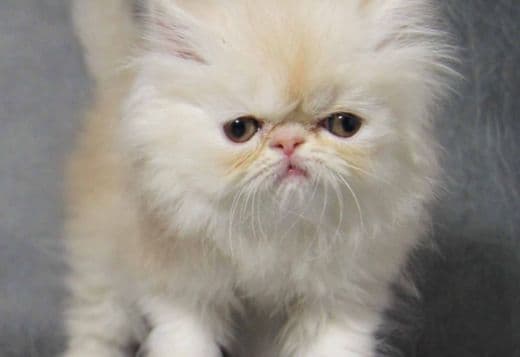
Persian cats are usually large with low feet. Persians' chest is broad, muscles are well-developed. Paws are large and strong. The head is small with small round ears, from which stick tufts of hair, its cheeks are full. The main difference between Persian cats and other breeds of cats (except for their hair) is a flat little nose. Cats' jaws are broad, neck is very strong, short and thick. All parts of the body are proportional. Persian cats have big open eyes with bright, expressive sight. They have thick and long hair. They have particularly long and fluffy hair on the shoulders, neck and chest. Persian cats' hair requires a lot of advertence and nice care. You have to comb it very often. If this isn't done, then lumps are formed on the hair, which you can remove only with the help of scissors.

Latest cat adverts

01/08/2026
Pet Type: Cats
12/04/2025
Pet Type: Cats
11/13/2025
Pet Type: Cats
11/12/2025
Pet Type: Cats

Latest Cat Articles

White cat breeds with different eyes

Turkish Van Kedis First a little bit about the wild ancestors of these beauties. Most cats living near Lake Van - white color. Local residents say they are about a hundred years ago lived exclusively in the mountains, but for unknown reasons, began to

Amazing cats’ breeds

American Curl The most important feature of the breed is unusual ears, which curl back from the face toward the center of the back of the skull. The ending of the ear is rounded. This cat is of medium build, has a weight up to 4.5 kg. They aren’

Species of wild cats

Dune cat. The area of their habitat is from South Morocco to Turkmenistan, Uzbekistan, Kazakhstan and Pakistan. Dune cats live in deserts, have nocturnal nature and hide in burrows of foxes and porcupines. Hair is yellow with gray, thick, and dark stripes

The history of the domestic cat

Throughout history, the cat has been subject to several ups and downs in the popularity stakes.

The evolution of the domestic cat

All cats are descended from their larger, wild relations and soma of this heritage can still be seen in the modern domestic cat, whether pedigree or moggie.

Cat behaviour
Cat behaviour

Much of the behaviour that the modern domestic cat displays directly relates to its wild origins. This is not always socially acceptable, but cats are very territorial and much of what they do reflects their need to stake out territory, especially if th