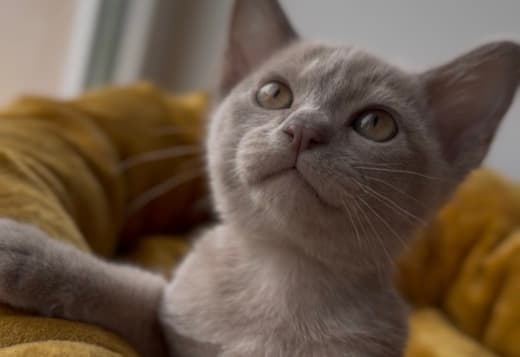
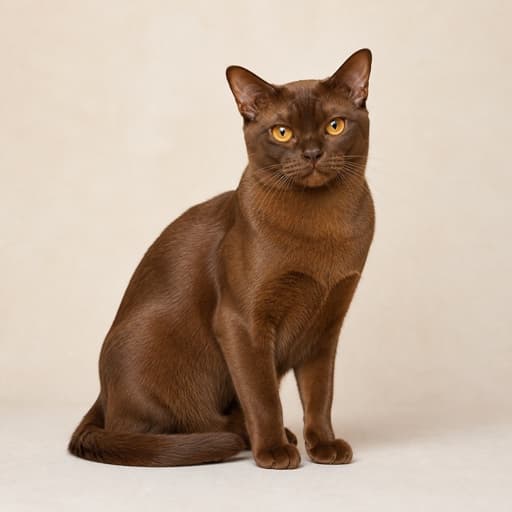
Who is this breed suited to?
A European Burmese is worth considering when you want an involved companion and can offer regular human contact.
Daily time commitment
Plan interactive play alongside relaxed time together, rather than treating a lap cat as a low-attention pet. Puzzle feeders and simple reward-based learning can add variety. Arrange reliable care during absences and introduce other pets gradually instead of assuming instant companionship.
Coat and everyday care
The close, glossy coat generally needs only occasional gentle brushing. Ask which tool suits the kitten and avoid making unnecessary bathing the centre of its routine. Practise accepting paw, mouth and ear checks in brief, rewarding sessions.
Challenges to plan for
Its relatively easy coat can hide the larger commitment to company. A household away for long stretches should discuss the adults' behaviour and the kitten's previous experience. Friendly breed descriptions cannot guarantee that two unfamiliar cats will share resources comfortably.
How does it compare?
CFA distinguishes European Burmese from Burmese by a more moderate body and head type and a broader colour range. They share foundation ancestry; registry terminology varies, so clarify the pedigree rather than assuming the word European means a separate origin in Sweden.
Questions to ask a breeder
Request the parents' relevant DNA results, including Burmese hypokalaemia screening, and ask the breeder to explain what each result covers. Discuss family medical history and how the kitten was raised, with records linked to identifiable parents rather than a generic health certificate.
Sources and further reading
Reviewed October 2026. Breed tendencies do not predict an individual cat. Age, health, upbringing and environment all affect care and behaviour.