
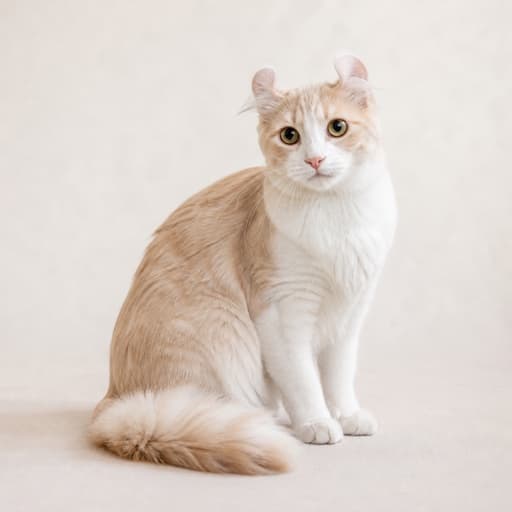
Who is this breed suited to?
An American Curl may suit people who enjoy a curious cat joining ordinary activities and continuing to play as an adult. Its swept-back ears are distinctive, but sociability and a comfortable fit with the household matter more than show-quality ear shape.
Daily time commitment
Make room for regular toy play and shared time during the day. Offer climbing routes and quiet resting choices so the cat can alternate exploration with company. Teach children to invite interaction and stop when the cat moves away.
Coat and everyday care
The silky short or long coat has little undercoat and is generally straightforward to comb. Handle the ears very gently: never pull or force the cartilage. Ask a veterinary professional to demonstrate cleaning if wax or discomfort becomes a concern.
Challenges to plan for
Kittens are born with straight ears, and the eventual curl develops later. Straight-eared pets can be suitable companions. Neither the ear shape nor a diverse ancestry guarantees freedom from illness, so routine preventive care and documented breeding history still matter.
How does it compare?
The American Bobtail also offers shorthaired and longhaired companions with a distinctive inherited feature. A shortened tail brings different questions from curled ears; meet the cats and compare grooming, handling tolerance and activity before choosing.
Questions to ask a breeder
Ask how the breeder handles ears and introduces grooming, which parental screening has been done, and what veterinary findings are documented. Request a clear explanation of pet versus show placement and support if ear sensitivity or another health concern arises.
Sources and further reading
Reviewed October 2026. Breed tendencies do not predict an individual cat. Age, health, upbringing and environment all affect care and behaviour.