
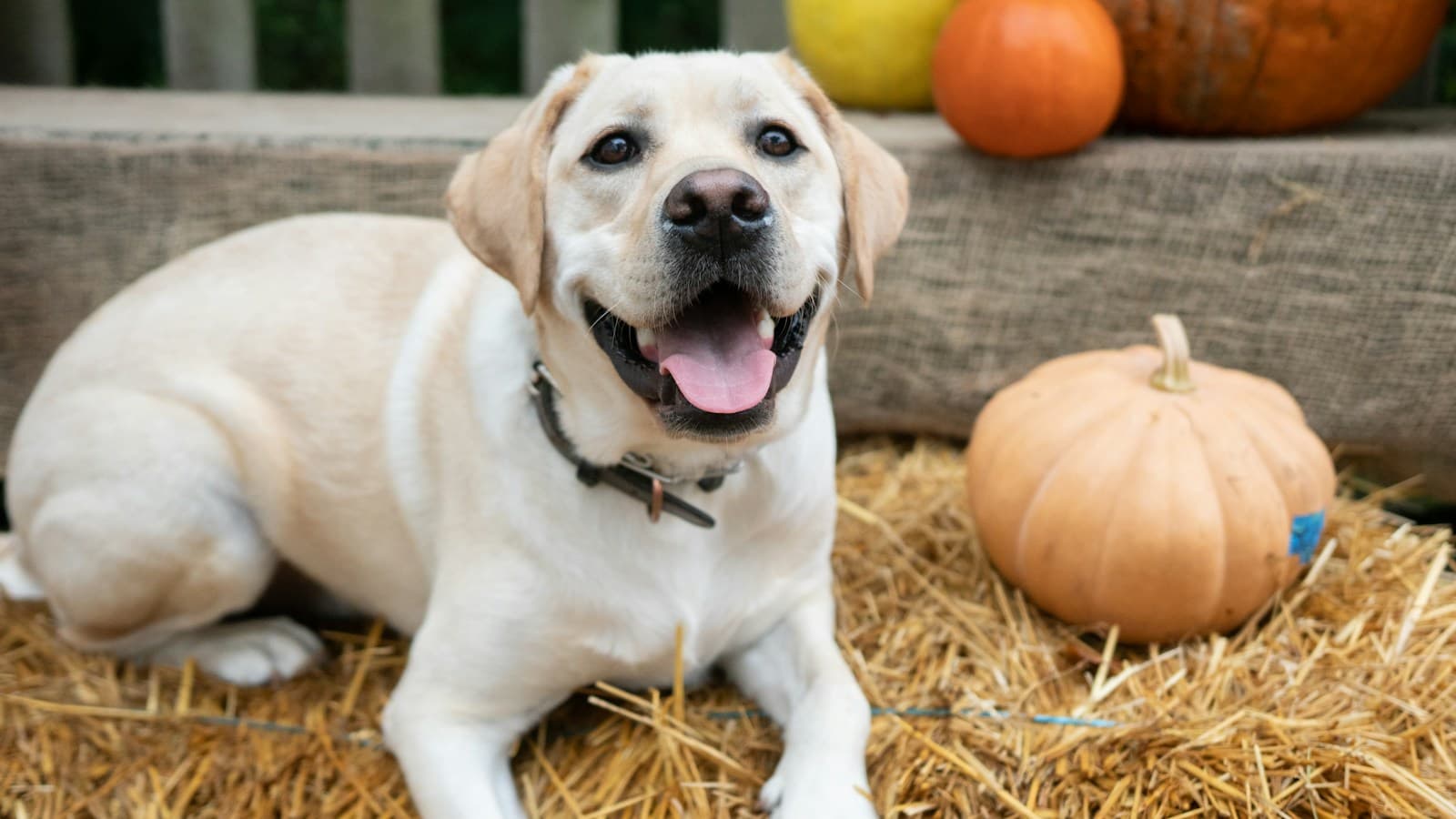
October brings an unusual change to a pet's familiar world: doorbells after dark, moving decorations and people who suddenly look very different. With Halloween approaching, this is a good moment to plan an evening your dog or cat can comfortably sit out. A successful celebration can include a pet sleeping peacefully in another room.
Give the evening a simple shape
Write down three things before October 31: where your pet will rest, who will answer the door and where the sweets will stay. Share the plan with everyone at home, including children. This avoids the familiar moment when one person opens the front door while another assumes the dog is being watched.
The American Animal Hospital Association's Halloween guidance, updated in August 2026, recommends barriers against escapes and a quiet retreat. Choose a familiar room away from arrivals, add bedding and water, and provide your cat's litter tray. If doorbells are a major trigger, consider greeting visitors outside while someone remains with the pet indoors. Check identification details before the busy night.
Make candy storage part of the celebration
The ASPCA warns about chocolate and sweets containing xylitol. Keep all candy in a closed cupboard, including bags brought home by children. A bowl on a low table is easy to forget once guests arrive. Put wrappers straight into a bin your pet cannot open.
If you think your pet has eaten something dangerous, contact your veterinarian or an animal poison service immediately. Save the packaging and explain what may have been eaten, approximately how much and when. Do not wait for visible illness before making that call.
Let your pet choose comfort over a costume
A photograph does not require dressing up the animal. Try a seasonal backdrop while your pet relaxes in its usual spot. The ASPCA advises using costumes only for pets comfortable with them, with no restriction of breathing, movement or vision and no small pieces to chew off. Remove an outfit if your pet seems uncomfortable.
AAHA also highlights dangling decorations, electrical cords and candlelit pumpkins as hazards. Keep them inaccessible, and use a battery light inside a pumpkin with its battery compartment secured. For a pet with a history of severe holiday distress, arrange veterinary advice ahead of the event.
Your five-minute October checklist
- Choose the resting room and agree who checks on your pet.
- Put a reminder on the door so guests do not accidentally open it.
- Clear an enclosed cupboard for treats and collected candy.
- Move decorations out of reach and check cords.
- Save the veterinary emergency number where everyone can find it.
After the visitors leave, check the floor before letting your pet explore again. Then return to an ordinary evening together. Halloween can be memorable for the family without becoming an endurance test for the animal.
Photo: G + L / Unsplash, used under the Unsplash License.


