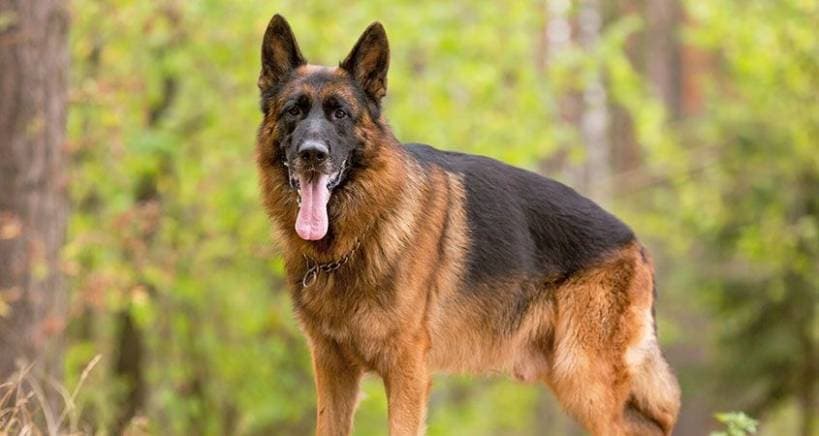
The German Shepherd is a large working dog known for versatility and a strong interest in learning. The AKC breed profile highlights its intelligence and athletic build. These qualities can make a rewarding companion, but they also require time, patient teaching and an environment that suits the individual dog.
A working background is not a guarantee
German Shepherds have served in herding, assistance and many other roles. A family puppy does not arrive with those skills already learned. Nor does its breed guarantee calm behavior in every situation, reliable protection or automatic gentleness with children. Inherited traits, early experiences and daily handling all matter.
Meet the dog away from a sales description. Ask how it responds to unfamiliar people, household sounds and brief separation. For puppies, ask about the parents' behavior and the experiences provided before placement. A breeder should help assess whether a particular puppy fits your household.
Build skills gradually
Teach simple cues in a quiet place, then practice in different settings. Reward attention, loose-leash walking and settling, not just fast responses during exciting games. Keep lessons manageable and provide breaks. Punishment and attempts to establish dominance can damage confidence without explaining the desired behavior.
Introduce new sights and sounds at a comfortable distance. Let the dog observe before approaching, and avoid forcing contact. Children need adult supervision and clear rules around meals, toys and sleep. Give the dog a resting space where nobody follows it.
Exercise and everyday care
Plan walks, sniffing games and training alongside rest. A garden is useful but does not replace shared activity. Match exercise to age, fitness and health; growing puppies should not be pushed through long runs or repetitive jumping. Discuss a gradual exercise plan if you want an adult dog to join demanding sports.
Expect shedding and brush regularly, especially when the undercoat loosens. Check nails, ears and teeth as part of a calm handling routine. Measure a complete diet appropriate to life stage and adjust portions according to body condition rather than appetite alone.
Health checks before and after purchase
Ask for documented hip and elbow assessments and other screening recommended for the breeding dogs. Confirm that results identify the actual parents. A general veterinary examination is valuable but is not a substitute for inherited-disease screening.
A wet nose does not prove a dog is healthy, and a dry nose alone does not diagnose illness. Notice changes in appetite, movement, breathing and behavior instead. Arrange routine veterinary care, keep prevention records and investigate limping or discomfort. Choosing a sound, well-matched dog is more useful than looking for exaggerated size or a dramatic silhouette.