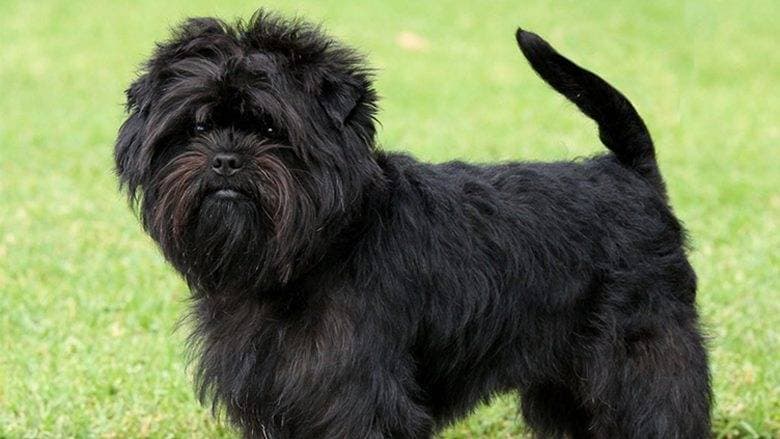
The Affenpinscher is a small companion with a rough coat, expressive eyebrows and a face often compared with a monkey's. The AKC breed profile describes a curious, confident and amusing dog.
Look beyond a comic appearance
The breed's distinctive outline should not be confused with carelessness about grooming. The Affenpinscher Club of America's standard describes a deliberately shaggy but neat coat. Accepted colors and other show details should be checked with the registry involved, rather than assumed to be identical everywhere.
An adult's weight and appearance can vary, and a puppy's eventual size is not a precise promise. Avoid choosing solely for unusual smallness. Ask about the dog's parents, development and health instead of treating a tiny body as the main attraction.
Teach a confident dog kindly
Use short, rewarding lessons for coming when called, walking calmly, settling and accepting handling. Begin in easy settings before adding distractions. Independence does not mean a dog needs physical correction, and a lively personality does not make persistent fear or aggression inevitable.
Manage arrivals and unfamiliar situations so the dog has space to observe. Reward calm behavior and let it move away when appropriate. If barking or defensive behavior is becoming difficult, seek qualified help early rather than repeatedly putting the dog in situations it cannot handle.
Small size calls for careful interaction
Supervise contact with children and larger dogs. Encourage gentle play at floor level and provide a quiet resting area. A small dog should not be picked up constantly or expected to tolerate squeezing, even when it looks like a toy.
Choose suitable games and equipment, check gates and prevent falls from furniture where needed. Daily walks and sniffing opportunities remain valuable. Adapt exercise to age and comfort rather than using a fixed label such as low energy to decide how little activity is necessary.
Maintain the coat and routine care
Brush or comb regularly with suitable tools, checking areas where hair tangles or equipment rubs. Ask a groomer familiar with the breed about maintaining the coat's texture and a manageable pet-care schedule. Avoid pulling at mats or cutting close to the skin with scissors.
Check eyes, ears, nails and teeth gently. Pain, persistent discharge or a new smell should be assessed rather than treated with an unspecified product. Introduce brief handling sessions with rewards so routine care does not become a struggle.
VCA's Affenpinscher overview notes that professional grooming or hand-stripping may be useful for the coat. Discuss what is appropriate for your individual dog and your goals. The right routine should keep the dog comfortable, not merely reproduce a show photograph.
Health claims need evidence
Buying from a conscientious breeder can improve the information available to you, but it cannot eliminate all risk of inherited illness. Request relevant parental screening results and the puppy's veterinary records. Ask what each test covers and what follow-up your own veterinarian recommends.
Feed a complete diet appropriate to life stage, measure portions and monitor body condition. Training treats count toward the day's intake. Persistent appetite changes, lameness or reluctance to play should not be dismissed as temperament.
Prepare for ordinary days
Plan toilet opportunities, gradual practice with time alone and dependable care during travel. Keep essential records together and budget for grooming, training and veterinary treatment. A small dog can still create a substantial commitment of time and money.
Meet adult Affenpinschers if possible and ask owners about routines, not just entertaining stories. The strongest match is a household that enjoys the dog's character while providing patient teaching, safe interaction and consistent care throughout its life.