Who is this breed suited to?
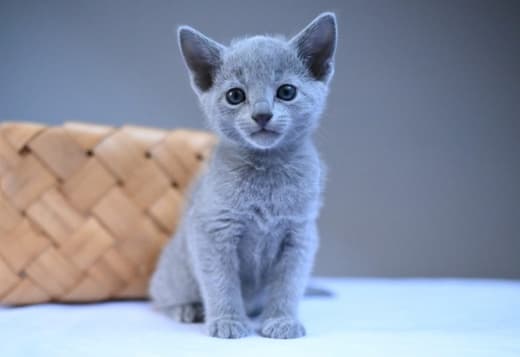
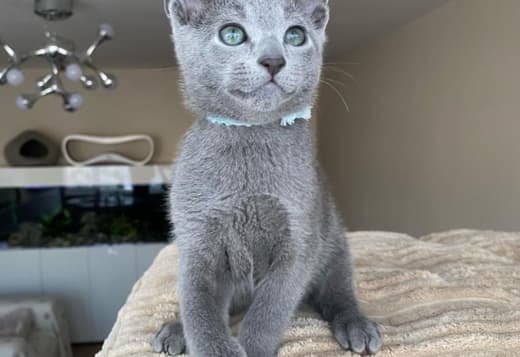
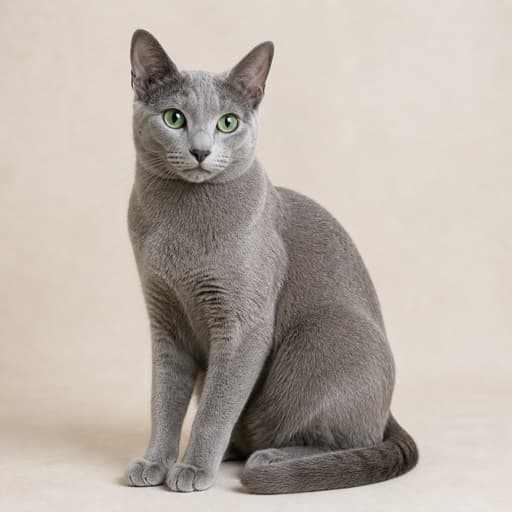
A Russian Blue may fit a household that appreciates a quieter companion and can give a reserved newcomer time to feel secure. Its silver-tipped blue coat and green eyes are distinctive, but colour alone cannot establish that an unknown rescue cat has Russian Blue ancestry.
Daily time commitment
Use curiosity constructively with interactive toys and simple food puzzles, keeping food rewards within the daily ration. Offer predictable contact and a place to observe visitors from a distance. The goal is enjoyable engagement, not forcing a shy cat into social performance.
Coat and everyday care
The short, dense coat usually needs modest grooming; CFA suggests occasional combing to remove loose hair. Use calm sessions to get the cat comfortable with paw and body checks. Ask the keeper to demonstrate suitable tools rather than treating coat thickness as a reason to overbrush.
Challenges to plan for
A cat that hides when guests arrive should be allowed to approach at its own pace. Watch food portions and activity, too: an easy coat does not mean there is little daily responsibility, and a quiet animal can still need more stimulation.
How does it compare?
The Chartreux is another blue short-haired breed, but has a sturdier French type, a more woolly coat and copper-to-gold eyes. The Russian Blue's more graceful outline and green eyes provide useful identification contrasts without predicting an individual's temperament.
Questions to ask a breeder
Can I observe adults in their familiar surroundings and learn how kittens meet visitors? Ask for registration, veterinary and family health records, and discuss what routine helps the cats play, eat appropriately and settle when the household is busy.
Sources and further reading
Reviewed October 2026. Breed tendencies do not predict an individual cat. Age, health, upbringing and environment all affect care and behaviour.