
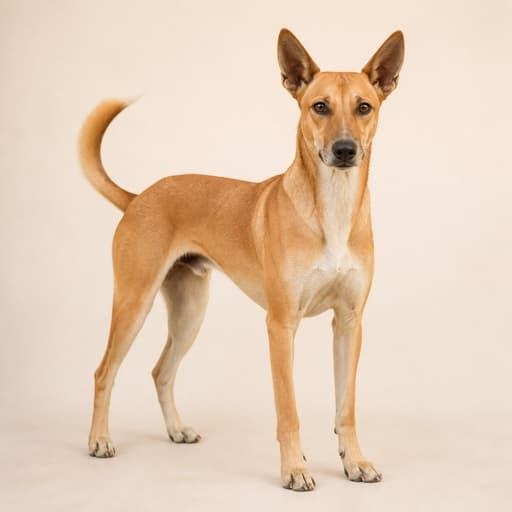
Who is this breed suited to?
An INDog can suit a patient home that appreciates indigenous village-dog variation and evaluates the individual rather than treating all Indian street dogs as one breed.
Daily time commitment
Provide daily exploratory walks and varied learning. The INDog project describes an active dog, but individual background and condition should determine duration.
Coat and everyday care
Brush the short double coat and inspect skin and feet routinely; an indigenous origin does not remove vaccination, parasite control or veterinary-care needs.
Challenges to plan for
Village ancestry and current street-living experience are different questions. Assess caution around strangers and allow a gradual household transition.
How does it compare?
The Taiwan Dog offers a regional indigenous-dog comparison, but neither geographical label proves that an unidentified rescue has a particular pedigree.
Questions to ask a breeder
What is known about this dog's origin, early environment and health? How does it handle traffic, visitors and restraint, and what transition support is available?
Sources and further reading
Reviewed October 2026. Breed tendencies are not a prediction for an individual dog. Exercise guidance concerns healthy adults; age, condition and weather change the plan.