Who is this breed suited to?
The Turkish Van may suit someone who appreciates a strong, active cat and respects reluctance to be carried. Provide robust equipment and teach children to invite interaction rather than lift an unwilling companion.
Daily time commitment
Offer active games, safe climbing and undisturbed rest. Some Vans show interest in water, but this is not universal. Never use the swimming reputation to justify placing a cat in a pool.
Coat and everyday care
CFA describes a soft coat without substantial undercoat. Weekly combing often suits the lighter season; winter may require more attention. Check the tail and underside rather than assuming water-associated cats cannot develop tangles.
Challenges to plan for
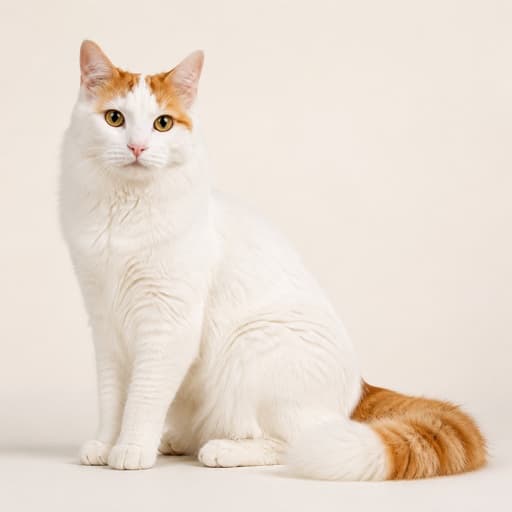
Strength and enthusiasm can make unwanted handling difficult. Learn the cat’s signals and secure breakable objects. The van pattern occurs in other cats, so markings alone do not establish pedigree or temperament.
How does it compare?
The Turkish Angora has a more refined, elongated outline; the Van is a separate, more muscular breed. Compare actual coat and body type rather than relying on their shared Turkish name.
Questions to ask a breeder
Ask how adults respond to carrying, visitors and play, and observe grooming. Request pedigree and veterinary records, discuss family health, and learn how kittens experience household equipment and respectful handling.
Sources and further reading
Reviewed October 2026. Breed tendencies do not predict an individual cat. Age, health, upbringing and environment all affect care and behaviour.