Playing with your dog offers exercise, companionship and opportunities to learn. The best game is one your dog chooses to join and can leave comfortably. Watch the whole animal: loose movement, voluntary approaches and easy breaks tell you more than a wagging tail alone. Adapt games for puppies, older dogs and animals with health conditions.
Start with a safe space
Use a clear area with good footing and remove sharp objects, loose wires and anything a dog could knock over. Outdoors, check gates and the surface before unclipping a lead. Choose toys large enough not to be swallowed and inspect them for loose stuffing, cracked parts or fraying material. Supervise new toys until you know how your dog uses them.
Keep fresh water available and take breaks before your dog becomes overheated or exhausted. Short-nosed dogs, young puppies and dogs recovering from injury may need particularly careful limits. Ask your veterinarian about suitable activity when you are unsure. A game is not a substitute for rehabilitation advice.
Let the nose do the work
Start a scent search by placing a few pieces of your dog's normal food in plain sight. Give a simple invitation such as "find it" and let the dog investigate. Once the idea is familiar, hide pieces behind safe objects or scatter them over a small clean area. Increase difficulty gradually; the dog should succeed often enough to remain interested.
Use part of the daily food allowance rather than adding a large extra meal. Avoid hiding food where the dog might eat litter, stones or unsuitable plants. In a household with several animals, offer separate searches if competition makes anyone tense. A dog that searches quietly is still doing meaningful work.
Play gentle tug
Choose a comfortable toy that leaves space between your hands and the dog's mouth. Move it low and gently, keeping the dog's feet on the ground. Let the dog take breaks and sometimes carry the toy away. Tug does not require suspending a dog, twisting its neck or adding weights to its body.
Teach a release by exchanging the toy for a treat or another toy, then returning to the game when appropriate. If teeth touch skin, pause calmly and reset the activity. Do not prise the mouth open or punish a warning growl. If a dog becomes stiff, guards toys or cannot settle, stop the setup and ask a qualified professional for help.
Make fetch thoughtful
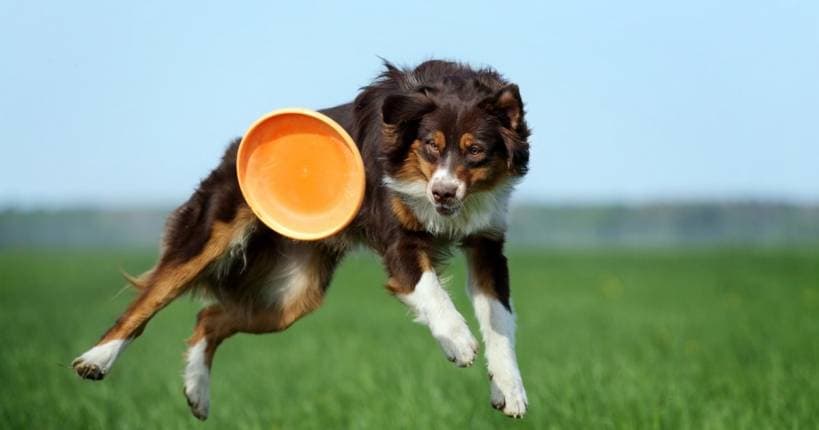
Roll a suitable toy a short distance before trying longer throws. Avoid repeated high leaps, abrupt turns on slippery ground and endless sprinting. A dog may keep chasing despite fatigue, so the person should manage duration. Puppies do not need athletic endurance sessions to enjoy a game.
Reward bringing the toy towards you, even if the first attempts are imperfect. Trading for a second toy can prevent a frustrating chase around the garden. Some dogs prefer finding a toy or carrying it beside you to retrieving it; there is no need to force every dog into the same game.
Add everyday training
Practice a hand target, a brief wait or coming a few steps towards you. Mark the successful moment with a familiar word and offer a reward promptly. The American Veterinary Society of Animal Behavior supports reward-based training, which fits naturally into cooperative play. Keep cues consistent and make the next attempt easier if the dog repeatedly struggles.
A simple recall game can involve two adults taking turns inviting the dog over in a secure room. Reward each arrival and avoid calling the dog only when fun is about to end. Outside, use secure fencing or an appropriate long line while recall is developing. A successful indoor game does not prove reliability near roads or wildlife.
Help your dog finish calmly
End while your dog is still comfortable, then offer a quiet activity or a resting place. Keep suitable toys available according to safety and your dog's habits; removing every source of entertainment is not necessary to make you interesting. Rotate a few toys to renew interest without creating constant novelty.
For a puppy that is chewing, provide suitable supervised chew items rather than bread crusts, bones or household clothing. Do not make a young dog work through pain or frustration. Teething, sleep needs and limited attention all affect how long a game remains enjoyable.
If play suddenly becomes difficult, note what changed. Reluctance to jump, dropping a toy, limping or avoiding touch may reflect discomfort. Seek veterinary advice for a sudden change instead of assuming laziness. Good play strengthens trust because the dog learns that its choices and physical limits are respected.
Keep a few different options ready for wet weather or busy days: a short search, a calm toy exchange and a minute of mat training are easy to fit between ordinary tasks. The aim is a sustainable routine, not a daily competition to tire the dog out completely.


