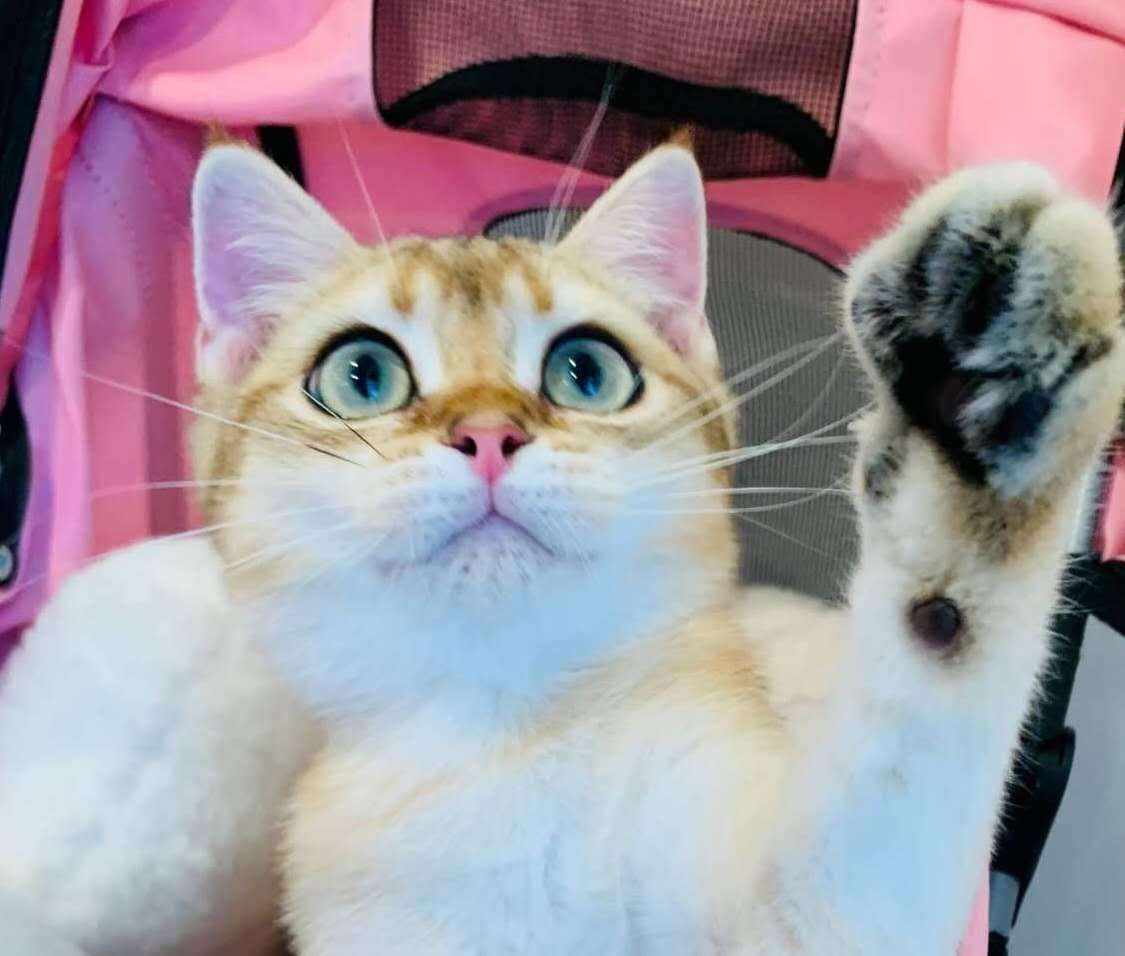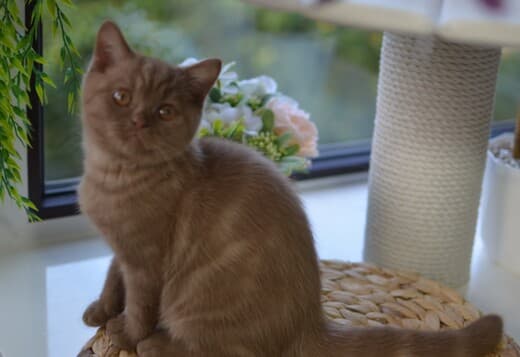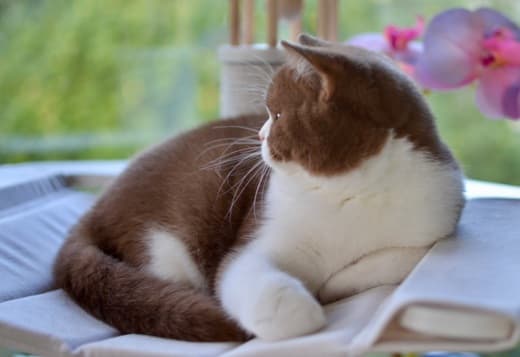
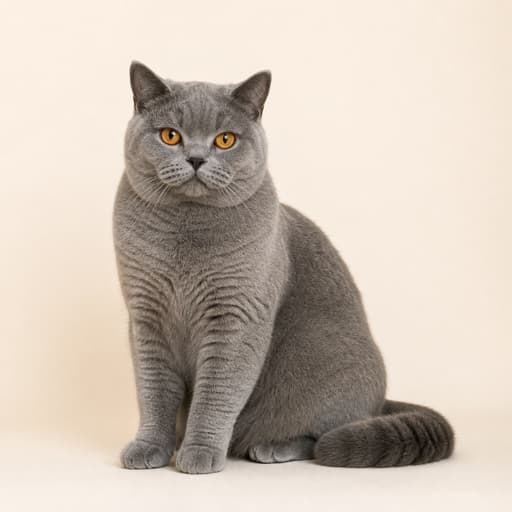
Who is this breed suited to?
A British Shorthair may suit people who appreciate calm companionship beside them rather than constant carrying or lap contact. Its rounded appearance can invite cuddling, but let the individual choose how close to sit and when to end an interaction.
Daily time commitment
Offer regular play even when the cat seems content to observe. Use low-pressure chasing games and accessible resting or scratching options.
Coat and everyday care
The dense short coat still sheds; weekly combing or brushing is a useful starting routine. Its plush appearance and substantial build should not be used to judge body condition without feeling beneath the coat.
Challenges to plan for
Children may need help understanding that a teddy-bear look does not mean enjoying being picked up. Give the cat somewhere quiet during noisy activity.
How does it compare?
Compare the Chartreux if you like a substantial blue shorthaired cat. Chartreux have a woollier coat and their own French breed history; British Shorthairs occur in many colors. A blue coat alone cannot reliably identify either breed or its temperament.
Questions to ask a breeder
Ask for documented parental health checks and how the breeder manages blood-type compatibility in breeding. Discuss the adults' response to handling and noise, the kitten's feeding plan, and which registration supports its pedigree.
Sources and further reading
Reviewed October 2026. Breed tendencies do not predict an individual cat. Age, health, upbringing and environment all affect care and behaviour.