The Belgian Malinois is an athletic herding dog known for its work in demanding roles. Videos of police or military dogs can be impressive, but they show selected animals with extensive training and experienced handlers. They do not mean every Malinois is an easy family pet or a ready-made protection dog.
Background and appearance
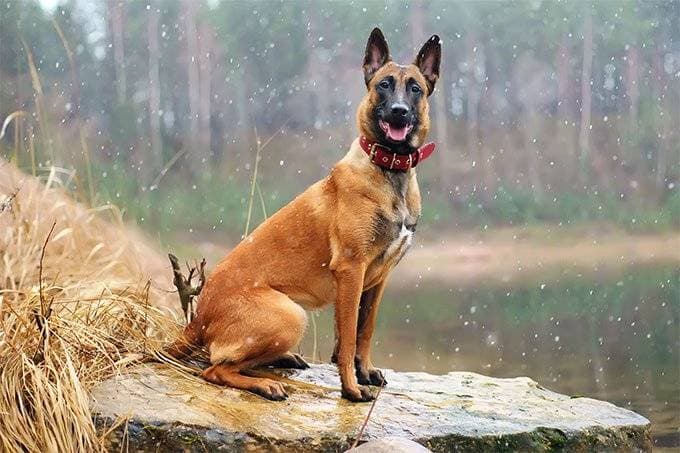
The breed developed within the Belgian shepherd tradition. Registry systems differ: some treat Belgian shepherd coat varieties as one breed, while the American Kennel Club recognizes the Malinois separately. Its short coat, upright ears and alert expression distinguish it from longer-coated Belgian relatives.
The AKC Belgian Malinois standard describes a balanced, squarely built working dog, with a fawn-to-mahogany coat and black mask and ears. Functional movement matters more than exaggerated size or bulk. A photograph cannot establish health, stable temperament or suitability for a particular job.
Avoid choosing a puppy on the basis of a dramatic pedigree story or a promise that its parents' working titles guarantee success. Ask what those records actually mean and how the breeder evaluates individual puppies. An honest discussion includes limitations as well as strengths.
Activity includes thinking and resting
The AKC guide to choosing a Belgian Malinois emphasizes the breed's need for substantial physical and mental engagement. A garden or an occasional long weekend walk will rarely provide enough by itself. Owners need time for daily training, suitable exercise and interaction throughout ordinary working weeks.
Useful activities may include scent games, structured retrieving and appropriate dog sports, introduced at a level that suits the individual. Growing puppies need age-appropriate movement and rest rather than forced endurance work. Discuss conditioning and any intense sport with a veterinarian before increasing the workload.
More activity is not always the answer to an unsettled dog. Teach relaxation, provide predictable rest periods and watch for overstimulation. A Malinois that can perform fast tasks also needs to learn how to disengage, wait comfortably and settle when nothing exciting is happening.
Train with clarity and care
Reward-based teaching can build recall, loose-leash walking, cooperative handling and a comfortable station on a mat. Keep early sessions short and change one difficulty at a time. If the dog cannot respond around a distraction, increase distance and make the exercise easier rather than escalating physical pressure.
Introduce people, sounds and environments gradually, with room to retreat. Socialization is not forced contact with every stranger or dog. A confident response develops through manageable experiences, and an animal showing fear or frustration needs support instead of being labeled stubborn.
Chasing movement and grabbing with the mouth can be serious problems in a household with children or small animals. Supervise interactions, use barriers and provide appropriate outlets. Do not ask children to manage a powerful adolescent dog, and do not treat a breed's working reputation as a guarantee of safe protective behavior.
Health and everyday management
Malinois can develop inherited and acquired health problems. Request documented screening appropriate to the breed, including hips, elbows and eyes, and discuss the results with your veterinarian. No breeder can credibly promise that a line is free from every hereditary disease.
Brush the short double coat, check nails and teeth, and make handling a familiar routine. Provide shelter, water and activity adjusted to the weather; a working coat does not make the dog immune to heat or cold. Build comfort with short periods alone gradually and arrange help if the dog becomes distressed.
Before committing, meet adult dogs in ordinary settings and consider an experienced rescue's assessment of an adult. Plan who will train, exercise and care for the dog if your schedule changes. This breed can be a rewarding partner when its needs fit the household, but admiration for its abilities is only the beginning of that decision.